
Why North Alabama’s Dry Spell is a Major Threat to Your Plumbing
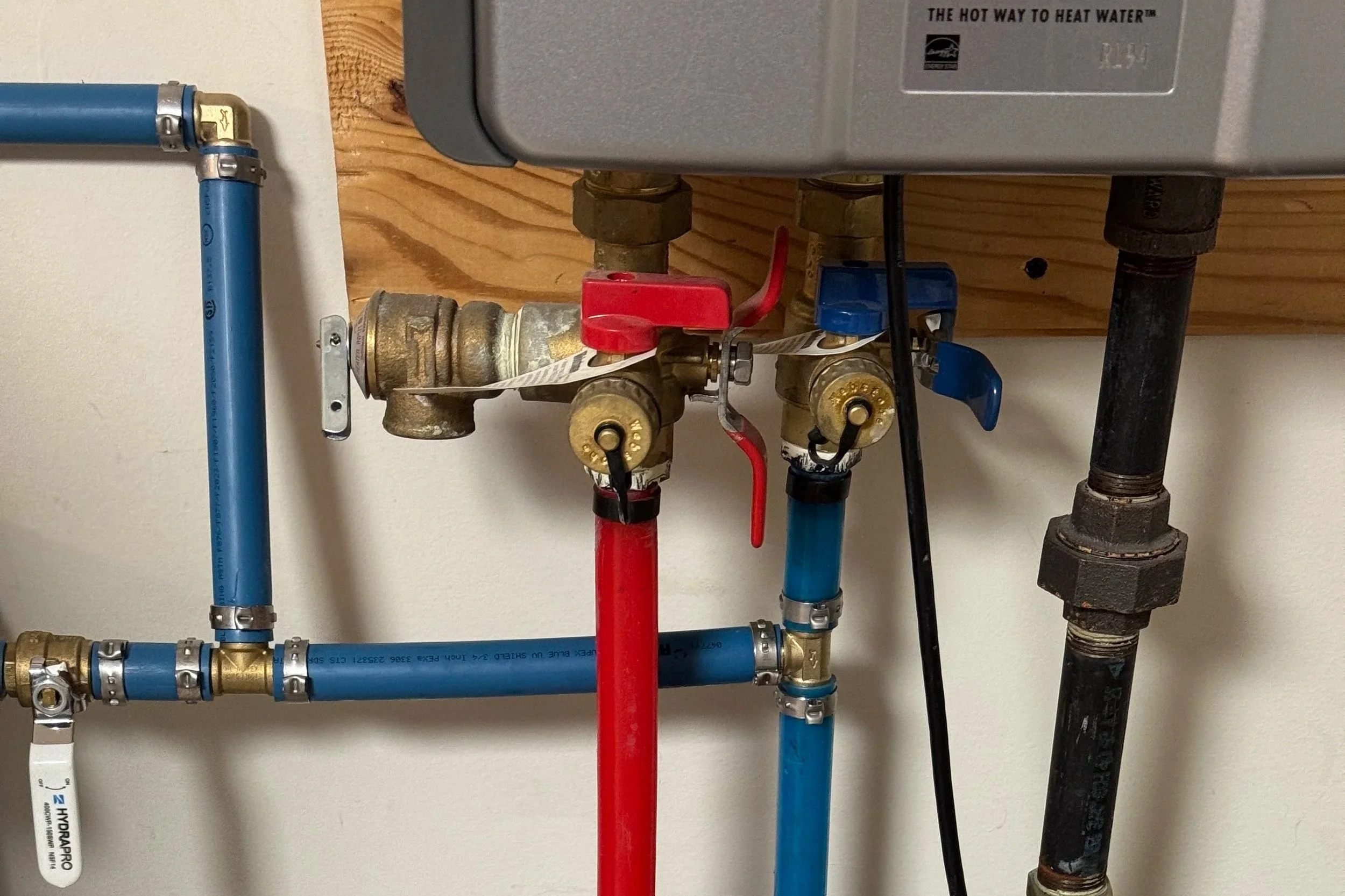
We’ve all noticed the dusty truck windshields and the crunchy grass across the Tennessee Valley lately. While we aren't under an official burn ban yet, the current drought in North Alabama is doing more than just stressing our gardens—it’s actually putting your home’s plumbing at risk.
When the clay soil in areas like Florence, Madison, and Huntsville dries out completely, it shrinks and shifts, leading to "hidden" plumbing emergencies.
1. The Danger of "Slab Leaks" from Soil Shrinkage
Our local soil has a high clay content. When it loses moisture, it contracts and pulls away from your home’s foundation. This movement can put immense pressure on the pipes running underneath or through your concrete slab.
What to watch for: If you notice a sudden drop in water pressure or a warm spot on your floor, the shifting ground may have caused a pipe to crack.
2. Thirsty Tree Roots Seeking Your Sewer Line
In a typical North Alabama spring, tree roots get plenty of moisture from the surface. During a dry spell like this, those roots go searching deep underground for any water source they can find—and your sewer line is the perfect target.
The Risk: Tiny cracks in older pipes release moisture that attracts roots. Once they get inside, they create massive clogs that lead to messy backups.
3. "Dry Trap" Odors
Are you noticing a "sewer gas" smell in your laundry room or a guest bathroom? When it's this dry and we aren't using certain sinks frequently, the water in your "P-trap" can evaporate. Without that water seal, sewer gases can enter your home.
The Fix: Simply run water down every drain in your house for 30 seconds once a week during this dry stretch.
How to Protect Your Plumbing During the Drought
Water Your Foundation: It sounds strange, but lightly watering the soil around your foundation can keep the ground from shrinking too drastically, protecting your buried pipes.
Monitor Your Water Meter: Check your meter before bed and again in the morning (without running any water). If the numbers move, you likely have a leak caused by shifting soil.
Schedule a Digital Camera Inspection: If you have large trees near your sewer line, now is the time to see if roots are making a move before they cause a full blockage.
Is the dry weather affecting your home? Don't wait for a "sinkhole" in the yard or a backup in the basement.
The Hidden Dangers of Dock Electricity
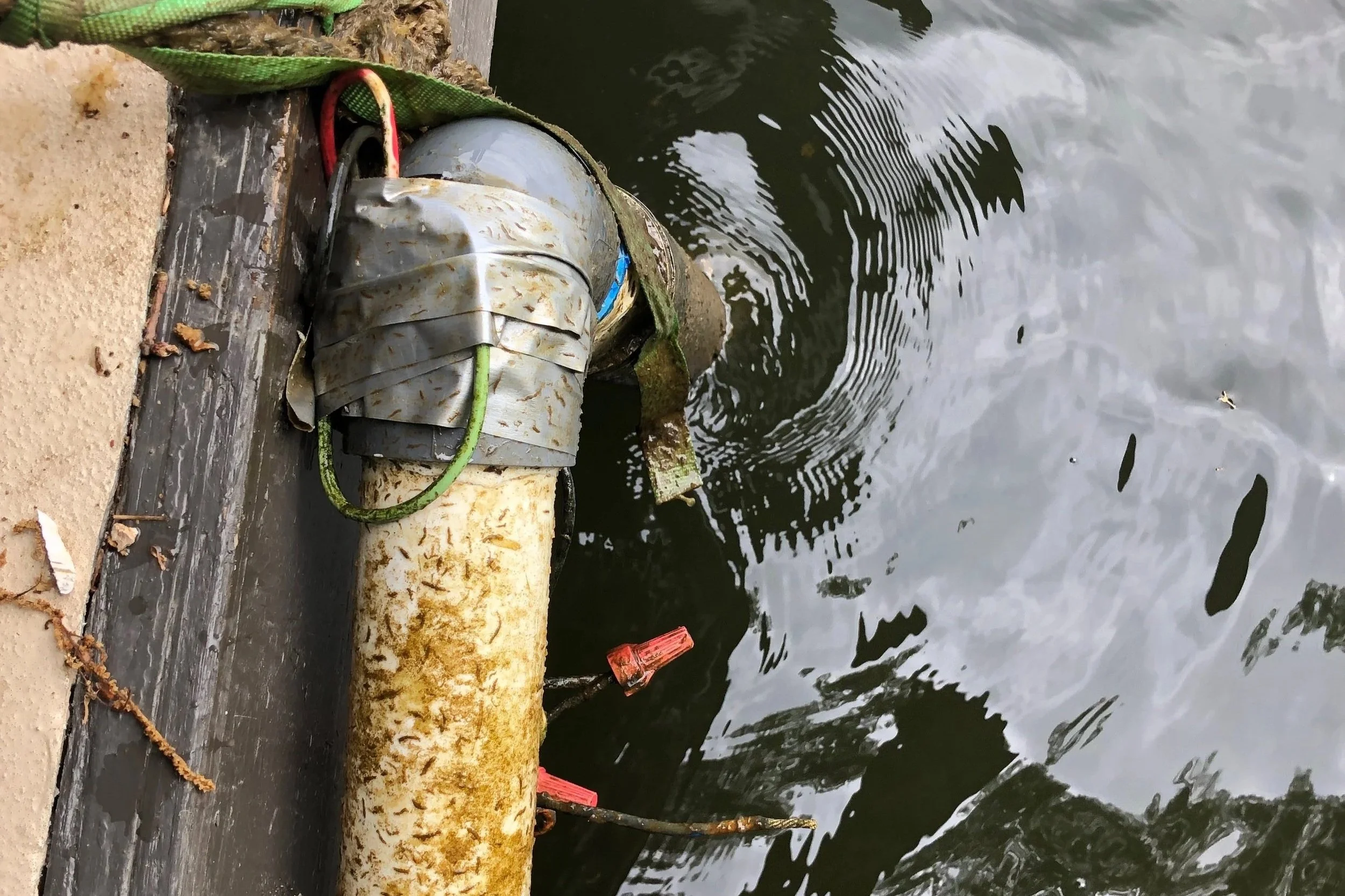
Boat Dock wiring unsafely exposed to the elements.
3 Critical Safety Checks for Your Boat Dock
1. Test Your GFCIs Monthly
Ground Fault Circuit Interrupters (GFCIs) are your first line of defense. They are designed to shut off power instantly if a leak is detected. For a boat dock, these must be housed in weather-proof enclosures. If your GFCI "trips" frequently, it’s a signal that your electrical service has a ground fault that needs immediate professional attention.
2. Inspect Conduit and Wiring
The shifting of the dock due to waves or changing water levels in the Tennessee River can pull wires taut or chafe the protective conduit. Inspect the lines running from your house to the dock. If you see exposed wires or cracked casing, do not energize the dock until it is repaired.
3. Establish a "Bonding" System
All metal parts of a boat dock (ladders, cleats, and frames) should be "bonded" together and connected to the grounding system. This ensures that if a metal component becomes energized, the current has a safe path back to the breaker rather than into the water.
Why Codes Matter in the Tennessee Valley
Electrical codes for docks (specifically NEC Article 555) have updated significantly in recent years to include requirements for Ground Fault Protection (GFP) at the shore-side disconnect.
If your dock was built more than a decade ago, it likely does not meet current safety standards. A professional inspection can identify if your current electrical service needs a "retro-fit" to include these life-saving shut-off breakers.
Local Safety First
Whether you are enjoying a weekend on the water in Florence or keeping a boat in Guntersville, safety is the priority. Never use standard extension cords on a dock, and always ensure your lighting and boat lifts are installed by professionals familiar with marine environments.
Is your dock ready for lake season? Don't take a "wait and see" approach with water-based electricity. Schedule a safety audit today to ensure your family stays safe all summer long.
Why a Professional HVAC Tune-Up is Essential for North Alabama Summers

As the humidity begins to climb in the Tennessee Valley, "spring cleaning" usually involves clearing out gutters and refreshing landscaping. However, the most important item on your checklist isn't visible from the curb—it’s your air conditioning system.
In North Alabama, our HVAC units work overtime to combat the heavy Southern heat. A proactive HVAC tune-up is the best way to ensure your home stays a sanctuary rather than a sauna.
The Benefits of a Spring HVAC Tune-Up
1. Lower Monthly Utility Bills
Dust and debris accumulation over the winter forces your system to work harder to circulate air. By cleaning the coils and checking refrigerant levels, a technician ensures the system runs at peak efficiency. This translates directly to lower energy consumption and more manageable power bills during the July peak.
2. Prevent Mid-Summer Breakdowns
There is never a "good" time for an AC failure, but the worst time is during a 95°F afternoon in Huntsville or Florence. Most emergency repairs are caused by small issues—like a worn belt or a clogged condensate drain—that a spring inspection would have caught.
3. Extend the Life of Your Equipment
An HVAC system is a significant investment. Routine maintenance reduces the "wear and tear" on the compressor and motor, potentially adding years to the lifespan of your unit and delaying the cost of a full replacement.
What a Professional Spring Maintenance Visit Includes
A comprehensive HVAC tune-up goes far beyond just changing a filter. A professional technician will typically perform the following:
Condenser Coil Cleaning: Removing dirt and pollen so the unit can disperse heat effectively.
Refrigerant Level Check: Ensuring there are no leaks and the "charge" is correct for optimal cooling.
Electrical Connection Tightening: Inspecting control boxes and capacitors to prevent electrical shorts.
Drain Line Clearing: Preventing water damage and mold growth by ensuring the condensate line is free of obstructions.
Experience the Difference of Local Expertise
Whether you are managing a household in Madison or a business in Birmingham, your cooling needs are unique to our climate. Don't wait for the first heatwave to find out your system isn't up to the task.
Ready to get your home summer-ready? Scheduling your spring maintenance now ensures you beat the "summer rush" and enjoy peace of mind all season long.
Why Invest in a Whole-Home Water Filtration System
You’re spending more time indoors and using more hot water—now’s the time to make sure it’s clean, safe, and fresh with a whole-home filtration system.
Ensure your home's water is safe, pure, and always available by investing in a whole-home water filtration system—protecting your health and your investment from the ground up.
The Hidden Dangers Lurking in Tap Water
Many homeowners assume that tap water is always safe, but seasonal shifts can introduce new risks. During winter, increased use of road salts, aging municipal pipes, and fluctuating water table levels can allow contaminants like lead, chlorine, and micro-organisms to slip into your home’s water supply. Even if the water looks and tastes fine, invisible pollutants may present health risks over time.
It’s essential to understand that even trace amounts of heavy metals, pesticides, or industrial chemicals can accumulate in your plumbing and in your body. Whole-home water filtration acts as a critical barrier, ensuring every faucet delivers high-quality water, no matter the season.
How Whole-Home Filtration Enhances Health and Wellness
Clean water is foundational for good health. With a whole-home water filtration system, you reduce your exposure to harmful substances every time you drink, cook, bathe, or even do laundry. This is particularly important for children, seniors, and those with compromised immune systems who are more susceptible to waterborne contaminants.
Beyond just removing impurities, advanced filtration systems can enhance taste and odor, making hydration more enjoyable and encouraging healthier habits throughout the winter months. The result is peace of mind, knowing your family’s water is not just clean, but also nourishing and refreshing.
Protecting Your Plumbing: The Long-Term Value of Clean Water
Unfiltered water can cause mineral buildup and corrosion inside pipes, water heaters, and appliances. Over time, this leads to reduced efficiency, frequent repairs, and even costly replacements. Winter’s colder temperatures can exacerbate these issues by increasing the likelihood of pipe damage or blockages.
A whole-home water filtration system helps prevent scale and sediment accumulation, extending the lifespan of your plumbing and appliances. This translates to fewer maintenance calls, lower energy bills, and greater confidence in your home’s infrastructure—especially during the demanding winter season.
Boosting Property Value with Smart Water Solutions
Today’s homebuyers are increasingly focused on health, sustainability, and smart home upgrades. Installing a whole-home water filtration system is a tangible investment that signals quality and care, setting your property apart in a competitive market.
Not only does this upgrade enhance daily living, but it also demonstrates proactive maintenance, which can boost appraised value and attract discerning buyers. A modern, efficient water system is a selling point that pays dividends now and in the future.
Choosing the Right Filtration System for Your Home
Selecting a whole-home water filtration system involves evaluating your household’s needs, local water quality, and existing plumbing infrastructure. Look for systems certified to remove a broad spectrum of contaminants and ensure they meet recognized consumer safety standards. Consider features like filter lifespan, maintenance requirements, and warranty options to maximize long-term value and reliability.
Consulting with a water quality expert or a reputable installer ensures you choose a system that fits your lifestyle and budget. With the right filtration solution in place, you can enjoy pure, safe water throughout your home, all winter long and beyond.