
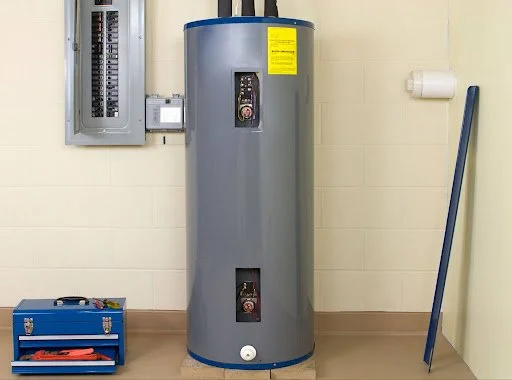
Why Does My Water Heater Run Out of Hot Water Faster Than It Used To?
If you've noticed that your home's hot water doesn't last as long as it used to, you're definitely not alone. Many homeowners find themselves wondering what changed and why their water heater repair needs have suddenly become urgent. Declining hot-water capacity is one of the first signs your system needs attention. Let's look at what might be causing your water heater to run out of hot water faster, and explore when it might be time to call in a professional for service or replacement.
Common Causes of Reduced Hot Water Supply
A drop in hot-water performance is often the result of more than one issue. Here are some of the most frequent causes:
Sediment Buildup: Over time, minerals in Florence and Madison, AL's hard water settle at the bottom of your tank-style water heater. This sediment acts as an insulator, making it harder for the burner to heat your water efficiently. As the layer grows, your heater holds less usable hot water, and you'll start running out quickly.
Aging Components: Water heater elements and thermostats can decline as the system ages. Heating elements might fail, and thermostats may lose accuracy, leading to inconsistent temperatures and shorter hot-water periods.
Increased Household Demand: Family growth, frequent guests, or new appliances can all increase the amount of hot water used. If your needs have grown, your existing tank or tankless heater may no longer be up to the task.
Incorrect Sizing: If your water heater wasn't sized correctly when installed, you might not have realized it until your usage patterns or household size changed. An undersized water heater will simply not meet your daily needs.
Worn-Out Tank or Corrosion: Older tanks, especially those 8-12 years or older, are more likely to experience internal corrosion. This can decrease capacity and efficiency.
How Local Water Quality Impacts Your Water Heater
The unique water conditions across northern Alabama play a significant role in water heater performance. Homes in the Florence, Madison, and Pinson areas often deal with mineral-rich groundwater that accelerates sediment buildup. Regular local weather changes can also place extra stress on your water heater during colder months, making hot water supply issues even more noticeable. Without water heater maintenance, buildup can lead not just to reduced hot water capacity, but also to a shortened equipment lifespan.
When Should You Repair or Replace Your Water Heater?
Recognizing when it's time to fix versus replace your water heater is key to avoiding unnecessary expenses and cold showers. In general, you should consider repair if your unit is less than eight years old, the problem appears to be limited to a specific part, or you haven't noticed any leaks or rust. Simple repairs, such as flushing out sediment, replacing a heating element, or water heater installation of a new thermostat, can restore performance.
However, replacement is the smarter choice if your water heater is over a decade old, showing signs of corrosion, repeatedly failing to deliver enough hot water, or leaking from the tank itself. Upgrading also presents a chance to install a more efficient, correctly-sized unit based on your current and future needs.
Best Ways to Prevent Hot Water Shortages
To help ensure you always have hot water when you need it, consider these practices:
Schedule regular professional maintenance, including flushing the tank at least once a year.
Install a water softener if you have particularly hard water in your area.
Monitor your family's hot water usage and check for any sudden changes in demand.
Periodically inspect your water heater for rust, leaks, or unusual noises.
Contact MPE Services for Expert Help in Florence, Madison, and Pinson, AL
If your home in Florence, Madison, or Pinson, AL is constantly running out of hot water, it's time to reach out to a local team you can trust. The professional plumbers at MPE Services specialize in diagnosing and solving water heater issues, from minor repairs to complete replacements. Call us today at (256) 766-9439 or fill out our online form for fast, friendly service tailored to your home and region's needs.
How to Check Your Home for Plumbing Leaks
A hidden plumbing leak can waste hundreds of gallons of water and lead to costly repairs if left unnoticed. For homeowners in Alabama, where water bills can quickly add up, knowing how to identify leaks early is a valuable skill.
In this guide, we’ll walk you through simple, effective methods for detecting plumbing leaks around your home. And if you ever need expert help, MPE Services is here for you.
Why Identifying Plumbing Leaks Early is Important
Water leaks are more than just an inconvenience—they can become a serious problem if ignored. Even a slow, dripping leak can lead to:
Higher Water Bills: A single dripping faucet can waste over 3,000 gallons per year.
Structural Damage: Water can weaken walls, ceilings, and flooring.
Mold Growth: Hidden moisture creates a perfect environment for mold and mildew.
By learning how to spot leaks early, you can save money, protect your home, and avoid expensive repairs.
Common Areas to Check for Leaks
Plumbing leaks can occur in various places around your home. Here’s where to look:
1. Under Sinks and Cabinets
What to Look For: Water stains, damp areas, mold growth, or a musty smell.
Quick Check: Use a flashlight to inspect under kitchen and bathroom sinks regularly.
2. Toilets
The Food Coloring Test:
Remove the toilet tank lid.
Add a few drops of food coloring to the tank.
Wait 15-30 minutes without flushing.
If the color appears in the toilet bowl, you have a leak.
3. Showers and Bathtubs
Signs of Leaks: Slow drips from the faucet, cracked caulking, or water stains on nearby walls.
Tip: Turn on the shower and watch for water pooling where it shouldn’t.
4. Water Heaters
What to Check: Look for pooling water around the base of the unit or signs of rust.
Warning Sign: A rusty water heater tank can be a sign of internal corrosion.
5. Outdoors
Garden Hoses and Spigots: Check for drips or leaks at the connection points.
Sprinkler Systems: Run each zone and watch for pooling water in areas where it shouldn’t be.
DIY Methods for Detecting Hidden Leaks
If you don’t see obvious signs of a leak, try these simple DIY methods:
1. Monitor Your Water Meter
Turn off all water sources in your home (faucets, appliances, etc.).
Locate your water meter (usually outside or in a utility closet).
Note the reading and wait 1-2 hours without using water.
If the meter changes, you likely have a hidden leak.
2. Use Food Coloring for Toilet Leaks
As mentioned above, this simple trick helps you identify a leaking toilet tank.
3. Listen for Dripping Sounds
In a quiet house, walk around and listen for the sound of dripping water, especially near walls, ceilings, or floors.
4. Check Your Water Bill
Unusually high water bills without a clear reason can indicate a hidden leak.
When to Call a Professional Plumber
While many leaks can be identified and fixed with DIY methods, some require professional help. Contact MPE Services if you notice:
Persistent wet spots or water stains on walls or ceilings.
Constantly running water even when everything is turned off.
A sudden increase in your water bill without explanation.
Leaks in hard-to-reach areas or behind walls.
Our team of licensed plumbers serves Florence, Madison, Birmingham, Russellville, and the surrounding areas. We use advanced tools like thermal imaging and moisture meters to quickly locate hidden leaks and provide fast, reliable repairs.
Suspect a Leak? Contact MPE Services Today!
Don’t let hidden leaks drain your wallet. By regularly checking for leaks and addressing them early, you can protect your home and save money. And if you need help, MPE Services is just a call away.
Need Professional Plumbing Help? Contact MPE Services Today!