
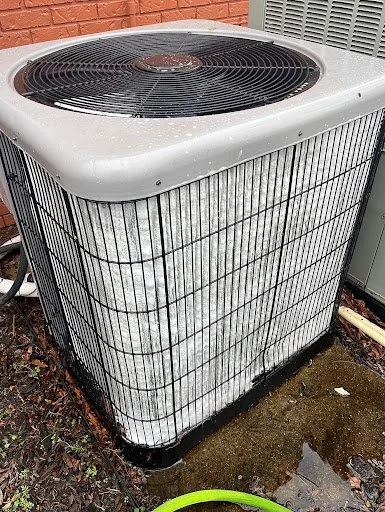
Why Your AC Struggles to Remove Humidity During Late Summer in North Alabama
September may signal the end of summer on the calendar, but anyone living in North Alabama knows the heat and humidity can linger well into the month. Homeowners in Florence, Madison, and nearby communities often notice that even when their air conditioning system is running, their homes still feel clammy or uncomfortable. This is a frustrating issue for many, and understanding the reasons your AC struggles to remove humidity can help you address the root problem before the next heat wave.
How AC Sizing Impacts Humidity Control
If your air conditioning unit isn't the correct size for your home, it will have a hard time keeping you comfortable, especially during the late summer humidity spikes that are common in North Alabama. When an AC is too large, it cools your home quickly, but it doesn't run long enough to properly remove moisture from the air. On the other hand, an undersized AC unit might run for long periods but still fail to adequately reduce indoor humidity, leaving you sticky and dissatisfied.
Short Cycling and Its Effects
Short cycling, which occurs when your air conditioner turns on and off in rapid succession, is a frequent culprit in humidity problems. This issue prevents the system from completing a proper cooling cycle, which is essential for efficient moisture removal. In our humid climate, short cycling can leave you with both high energy bills and persistent home dampness. Often, short cycling is linked to incorrect system sizing, thermostat placement, or even low refrigerant levels, all issues that can be checked during routine AC maintenance.
Airflow Restrictions and Indoor Comfort
Insufficient airflow within your cooling system can create hot and humid spots throughout your house. Clogged air filters, blocked vents, or ductwork issues are common causes of airflow problems. When air cannot move freely over the evaporator coil, your AC cannot adequately remove humidity from your home. You might notice some rooms feel extra muggy, even if the thermostat says otherwise. Addressing airflow is a key step in restoring a comfortable environment, as technicians often advise during seasonal HVAC service visits.
Dirty Components and Aging Equipment
Over time, your AC's components, like the coils and blower, can accumulate dust, mold, and other debris. Dirty coils in particular struggle to absorb heat, making it much harder for the unit to remove humidity. Aging equipment is another common concern in North Alabama homes; as air conditioning units reach the end of their lifespan, their efficiency drops and dehumidification abilities decline. If your AC is more than 10 years old, or if you haven't had a professional cleaning recently, consider scheduling a system inspection to determine if repairs or a replacement might help.
Don't Let Humidity Control Slip Away - Contact MPE Services
If you're in Florence, Madison, Pinson, or another North Alabama community and your home still feels uncomfortably humid, MPE Services is ready to help restore balanced indoor air. Reach out today at (256) 766-9439 or fill out our online form for a prompt assessment by our experienced team.
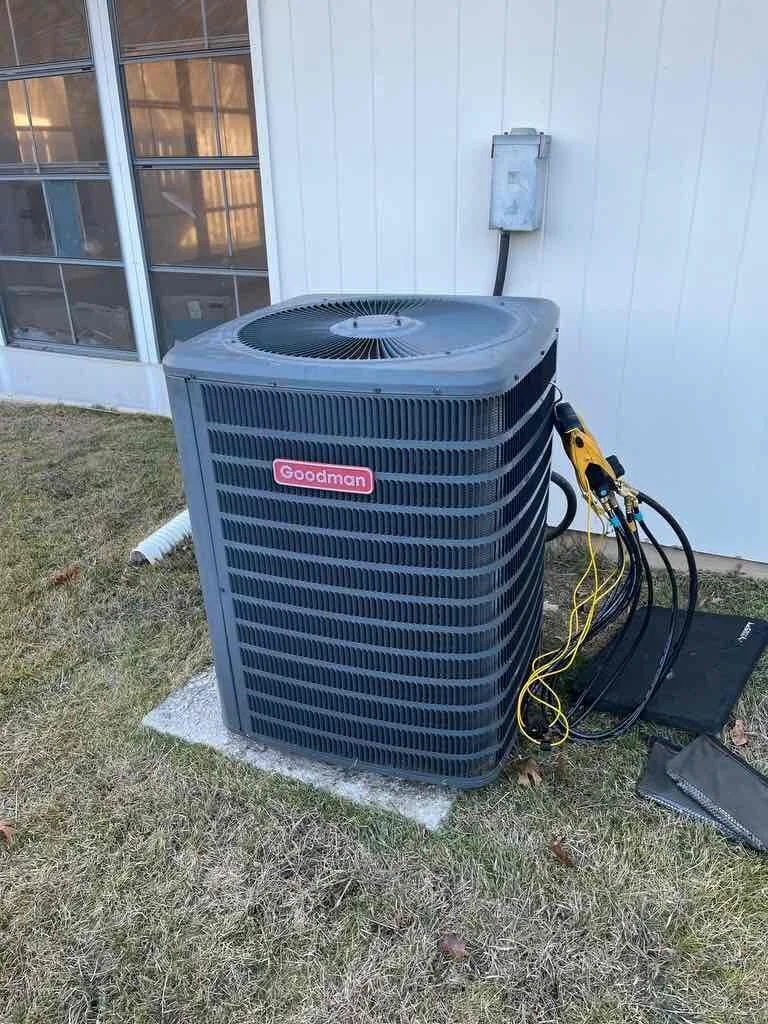
Screeching, Banging, or Buzzing? What Your AC Units Noises Are Trying to Tell You
Mid-summer heatwaves put incredible stress on residential air conditioning systems across North Alabama. If your outdoor unit has traded its steady hum for an alarming screech, rattle, or buzz, your system is trying to warn you of an impending breakdown. Discover how to decode specific equipment sounds, learn the critical safety steps to take when a noise starts, and find out how expert AC maintenance can resolve the underlying mechanical or electrical failures before they turn into a costly replacement.
During the dog days of summer in North Alabama, the steady, rhythmic hum of your outdoor air conditioning unit is a comforting sound. It means your system is actively pushing the brutal humidity away and keeping your indoor spaces safe and cool.
But if that familiar hum suddenly transforms into an alarming screech, a loud rattle, or a persistent buzz, your system is waving a massive red flag.
When an air conditioner runs nearly non-stop to combat our intense Huntsville, Madison, and Florence heatwaves, internal components operate under immense physical stress. Ignoring a new, strange sound won't make it go away—in fact, it usually means a minor part is actively failing. Catching these noises early and scheduling targeted AC maintenance is the single best way to prevent a total system blowout on a 95°F afternoon.
Decoding Your Air Conditioner's Warning Sounds
Different noises point to very specific internal mechanical or electrical issues. Here is a quick guide to help you identify the culprit:
1. A High-Pitched Screeching or Whistling
If your outdoor unit sounds like a jet engine taking off, turn it off at the thermostat immediately. This sound typically points to two severe issues: dangerously high internal pressure within your compressor or failing bearings inside the condenser fan motor. Running a screeching system can permanently destroy the compressor within a matter of hours.
2. Loud Banging, Clanging, or Rattling
A heavy metal banging sound usually means a component has broken loose inside the unit. The most common culprit is a loose condenser fan blade hitting the protective wire cage, or a balance weight detaching from the motor. If it sounds more like a loose rattle, it could be a vibrating metal access panel or a sign that the compressor’s internal isolation mounts have worn out.
3. Persistent Buzzing or Clicking
A loud electrical buzz coming from the outdoor cabinet usually indicates a failing capacitor or a defective contactor relay switch. These electrical components are responsible for sending raw power to the compressor and fan. If the contactor is struggling to stay closed, it will chatter or buzz loudly, which can quickly burn out your system's wiring.
Proactive Steps to Protect Your Cooling System
While some noises require advanced technical diagnostics, there are a few basic checks you can do to support your system's health:
1.Shut down power to the system: Safety First.
Turn off the air conditioner completely at your indoor thermostat. For extra safety, pull the electrical disconnect switch located in the gray box mounted on the exterior wall near your outdoor unit.
2.Inspect the exterior fan grille: External Check.
Peer through the top metal grille of the outdoor unit. Look for obvious obstructions like fallen tree branches, heavy pine straw, or overgrown weeds that could be striking the fan blades.
3.Verify indoor filter cleanliness: Airflow Review.
Check your indoor air filter. A completely blocked filter starves the system of air, causing the indoor coils to freeze and forcing the outdoor compressor to work under extreme, noisy head pressures.
Let Our Certified Local Experts Restore the Quiet
If clearing away external yard debris doesn't solve the issue, the problem is deep within the system's sealed mechanical or electrical infrastructure. Attempting a DIY fix on a highly pressurized refrigerant line or a high-voltage electrical cabinet can be incredibly dangerous.
Our NATE-certified technicians are stationed throughout the Tennessee Valley with fully stocked service trucks. We can quickly isolate the exact component causing the racket, replace it safely, and perform a comprehensive AC maintenance check to ensure your system runs quietly and efficiently for the rest of the summer.
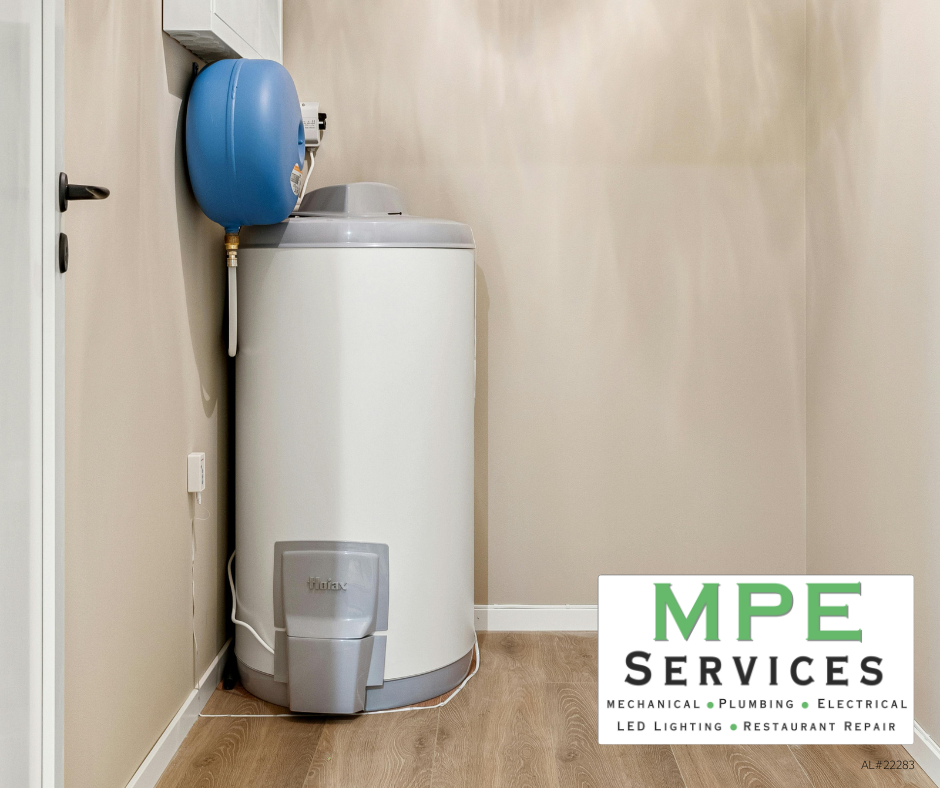
The Ultimate Summer Utility Hack: Upgrade to a Hybrid Heat Pump Water Heater
Summer guest demands and endless laundry cycles make July a brutal month for your hot water system. If your old utility tank is struggling, a modern hybrid heat pump water heater installation is the ultimate energy efficiency upgrade. Learn how these smart systems extract heat from the air to heat your water, provide free dehumidification to your garage or crawlspace, and qualify for an immediate 30% federal tax credit up to $2,000.
Between extra loads of laundry from sweaty outdoor clothes, kids home from school, and summer guests visiting the Tennessee Valley, your home's water usage spikes drastically in July and August.
If you have a standard electric water heater, it is currently eating up a massive portion of your monthly energy budget. In fact, heating water is typically the second-largest utility expense in a North Alabama household, surpassed only by your air conditioning.
If your current water heater is more than 8 to 10 years old and showing signs of struggling, you don't have to replace it with the same inefficient technology. By choosing a modern hybrid model for your next water heater installation, you can slash your water heating bills by up to 70% while adding a surprising bonus benefit to your home this summer.
What Exactly is a Hybrid Heat Pump Water Heater?
Standard electric water heaters rely on raw, inefficient electrical resistance—essentially heating up massive internal metal coils (like a giant toaster) to warm the water inside the tank.
A hybrid heat pump water heater takes a much smarter approach. Instead of creating heat, it moves heat.
The unit features a small heat pump compressor mounted on top of the tank. It pulls in the hot, humid air surrounding the unit, extracts the heat from that air, and transfers it directly into your water supply.
Because it uses the ambient air temperature to do the heavy lifting, it operates on a fraction of the electricity required by a traditional unit.
The Mid-Summer Bonus: Free Dehumidification
If your water heater is installed in a garage, a utility room, or an encapsulated crawlspace, a hybrid heat pump delivers a massive seasonal perk.
As it pulls the muggy, heavy July air into the compressor to heat your water, it exhausts cool, dry air back into the room. It acts as a built-in dehumidifier and air conditioner for that space. This lowers the ambient humidity around your home’s foundation and helps keep adjoining rooms cooler.
Leave the Advanced Plumbing to the Professionals
Upgrading from a traditional tank to a hybrid system requires more than basic plumbing connections. Because a hybrid unit extracts moisture from the air, it requires a dedicated condensate drain line to safely channel water away. It also needs proper overhead clearance to ensure adequate airflow for the heat pump compressor.
Our licensed plumbing experts across Huntsville, Madison, and Florence can accurately evaluate your installation space, safely configure the drainage, and make sure your system is fully optimized to maximize your utility savings.
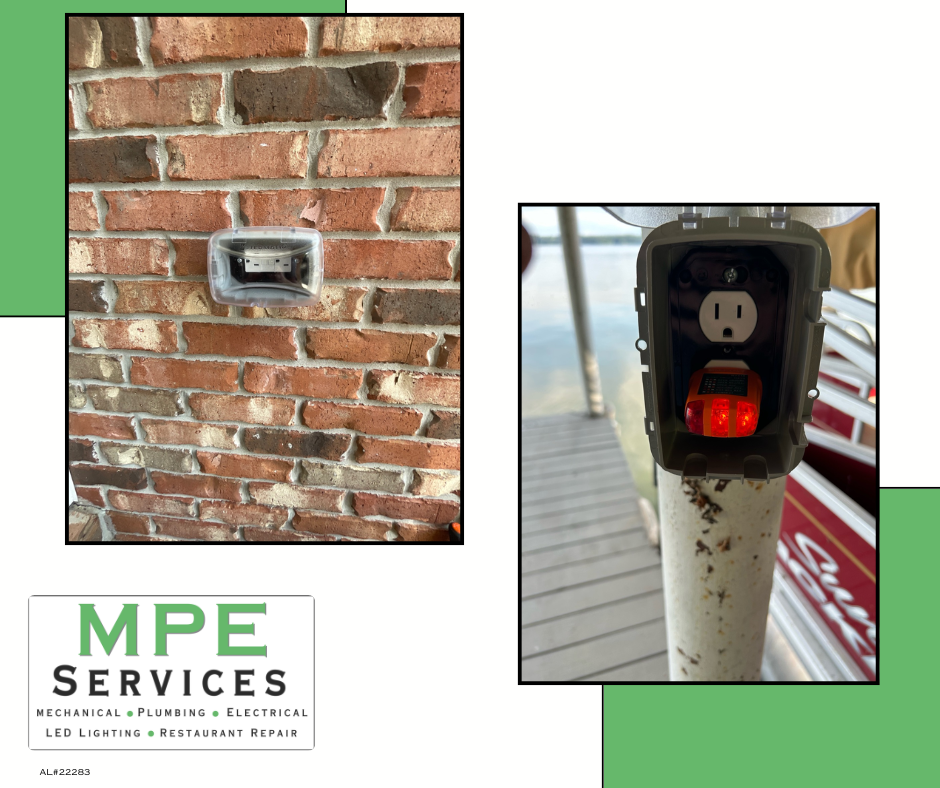
Lightning Capital Living: Why Power Strips Aren’t Enough to Protect Your North Alabama Home
Alabama ranks in the top ten states for lightning strikes, making summer storms an active threat to your home's electrical grid. While many homeowners rely on cheap plastic power strips to shield their electronics, these basic accessories offer zero protection against massive external voltage spikes. Learn how a panel-mounted surge protector installation shields your smart appliances, eliminates internal power degradation, and delivers real structural safety before the next storm rolls through the Tennessee Valley.
If you’ve lived through a July afternoon in the Tennessee Valley, you know exactly how intense our summer storms can get. Black clouds roll in off the river, the sky lights up, and sudden, severe electrical storms rattle our windows in Huntsville, Madison, and Florence.
In fact, national meteorological data regularly places Alabama in the top 10 states nationwide for total annual lightning strikes.
With that incredible amount of atmospheric electricity floating right above our heads, your home's expensive modern electronics are constantly at risk. While most homeowners think they are completely safe because they plugged their TV or computer into a $15 retail power strip, the truth is that power strips are practically useless against major summer grid events.
To truly insulate your property from catastrophic electrical damage, you need to understand the power of a professional surge protector installation.
The Myth of the Plastic Power Strip
Standard power strips are designed to handle minor, internal voltage fluctuations—like the small power hiccup that occurs when your refrigerator or AC compressor kicks into a high-cycle mode.
They are not built to withstand a massive external electrical surge.
If lightning strikes a utility pole near your neighborhood, a massive pulse of up to several hundred thousand volts will blast down your main power lines. A retail power strip will instantly melt under that kind of voltage, allowing the excess current to blow straight through the circuitry of your smart TV, your home computer, and your premium kitchen appliances.
How Whole-Home Surge Protection Works
Unlike point-of-use power strips, a whole-home surge protector is hardwired directly into your main electrical panel. It acts as a heavy-duty security guard standing at the front entrance of your home's entire power grid.
When a dangerous voltage spike rushes into your panel from the outside world, the device detects the abnormality in a fraction of a millisecond. It immediately redirects the dangerous excess energy safely down into the earth through your home's grounding system, preventing the high voltage from ever entering your living space or touching an appliance circuit.
3 Major Benefits of a Whole-Home System
1. It Safeguards "Smart" Large Appliances
Think about everything in your house that contains a sensitive electronic circuit board today: your high-efficiency refrigerator, your smart washer and dryer, your tankless water heater, and even your variable-speed HVAC system. You can’t plug a heat pump or a dishwasher into a standard power strip—leaving your most expensive investments completely exposed without a panel-level system.
2. Protection from Internal Spikes
Did you know that up to 80% of power surges actually originate inside your own walls? Every time your heavy-duty AC compressor turns on, it sends minor, invisible electrical ripples through your wiring. While these don't blow fuses, they slowly degrade the delicate microprocessors inside your electronics over time, causing premature appliance failure. A whole-home system continuously smooths out these internal spikes.
3. Enhanced Home Insurance Alignment
Many major home insurance providers recognize the massive risk reduction provided by panel-mounted surge suppression. Installing a certified, commercial-grade surge device can lower your liability risk profile and help secure premium discounts or smoother claims processing following severe seasonal weather events.
Get Professional Protection Before the Next Storm Hits
A panel-level surge protector installation requires dealing directly with your home's main electrical bus bars and ensuring proper grounding conductivity—a task that should strictly be handled by a licensed professional.
Don't wait for a nearby lightning strike to leave you with thousands of dollars in fried electronics and ruined appliances. Our team of certified local electricians is ready to inspect your current panel and deliver a heavy-duty, permanent solution to keep your home safe all summer long.